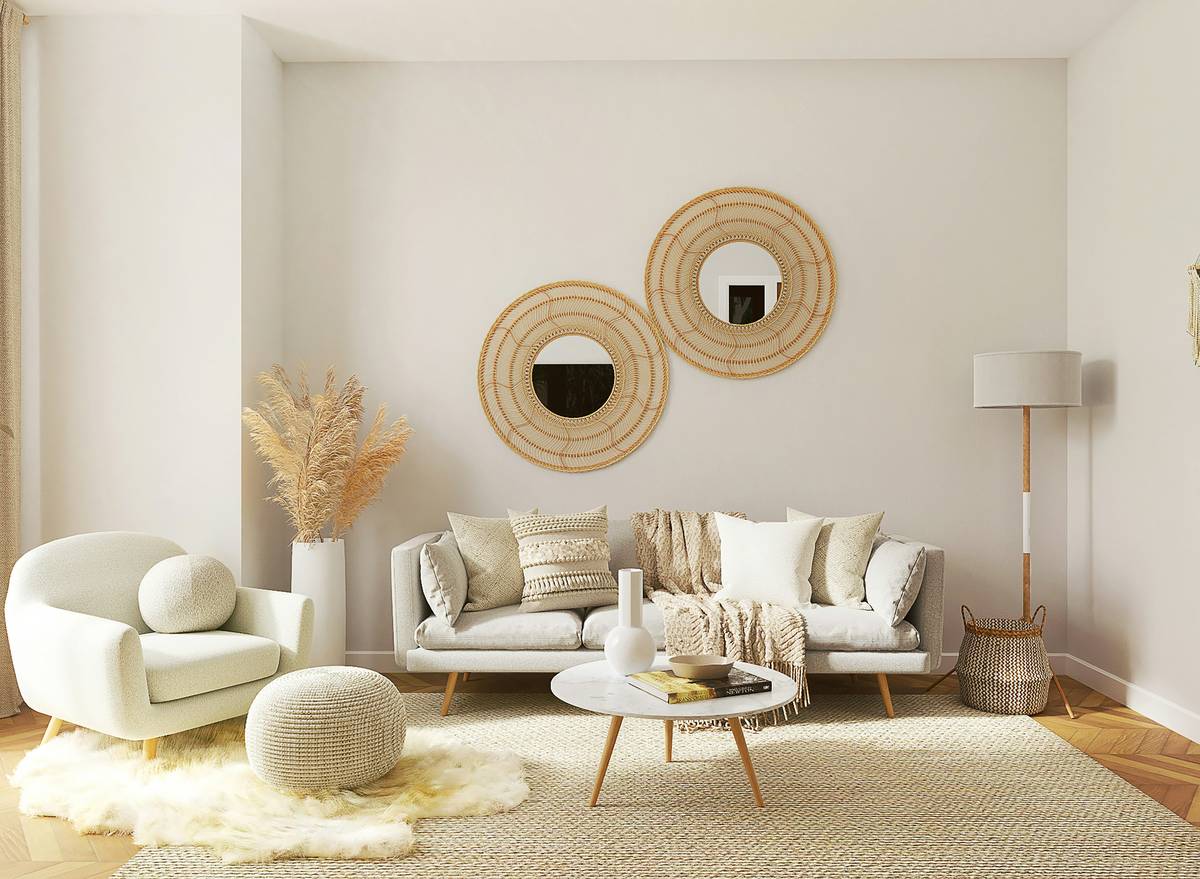
Most homeowners treat pergola seating like an afterthought—tossing in a wicker loveseat or folding chairs and calling it a day. But here’s the catch: sunlight shifts, wind gusts surprise you, and rain sneaks in sideways. What looks cozy in spring becomes a soggy, sun-bleached mess by August. The real solution? Furniture engineered for the unique microclimate under a pergola—not just “outdoor” stuff dragged from the patio.
Why Most pergola outdoor furniture Fails Within Two Seasons
It’s not about price. It’s about mismatched expectations. A standard patio set assumes full sun or full cover. A pergola? It’s neither. Half-shade, dappled rain, trapped humidity—it creates its own weather system. And wood swells. Metal rusts at joints. Cushions mildew overnight.
You wouldn’t wear a winter coat to the beach. So why furnish your pergola like it’s a desert or a rainforest?
How to Build a Pergola Seating Zone That Lasts (and Feels Like a Retreat)
Pick Frame Materials That Respect the In-Between Climate
Aluminum with powder coating wins—lightweight, rust-proof, and thermally stable. Teak? Only if kiln-dried and sealed annually. Avoid wrought iron unless you love sanding and repainting every spring.
Choose Upholstery That Breathes—and Drains
Sunbrella fabric isn’t just marketing hype. Its solution-dyed acrylic fibers shed water and resist UV fading better than 90% of competitors. But here’s what retailers won’t tell you: skip fully upholstered sofas. Opt for slatted benches with removable, quick-dry cushions. Airflow underneath prevents rot.
Anchor It—Seriously
Pergolas catch wind like sails. Unsecured furniture becomes airborne. Bolt benches to decking. Use weighted bases for freestanding chairs. Better yet—build built-ins. They cost more upfront but eliminate movement, storage hassles, and replacement cycles.
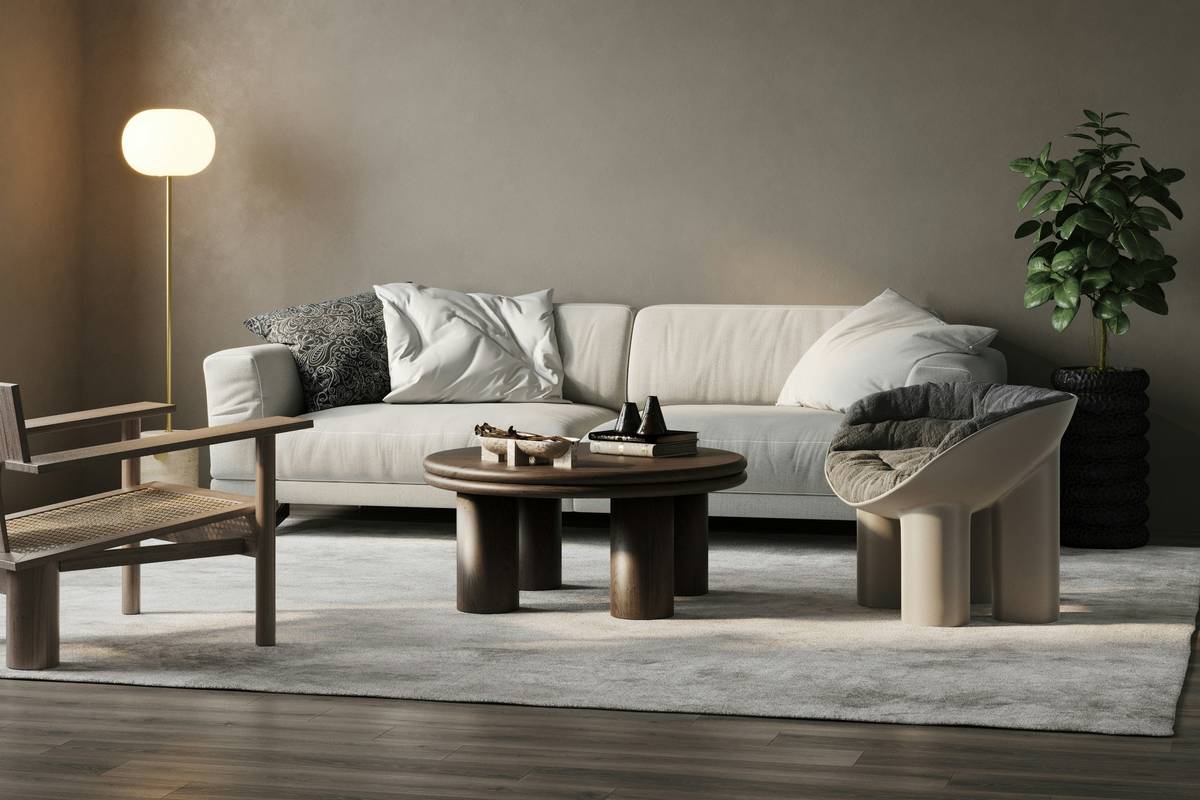
| Furniture Type | 5-Year Cost Estimate | Maintenance Needs | Best For |
|---|---|---|---|
| Modular Aluminum Lounge Set | $1,800–$2,500 | Rinse monthly; cushion storage in winter | Hot, humid climates with seasonal rain |
| Built-in Teak Bench (sealed) | $3,200–$4,000 | Annual oiling; no moving parts | Permanent setups with low foot traffic |
| Folding Wicker Chairs + Table | $600–$900 | Full disassembly for storage; reweaving every 2 years | Temporary or renter-friendly spaces |
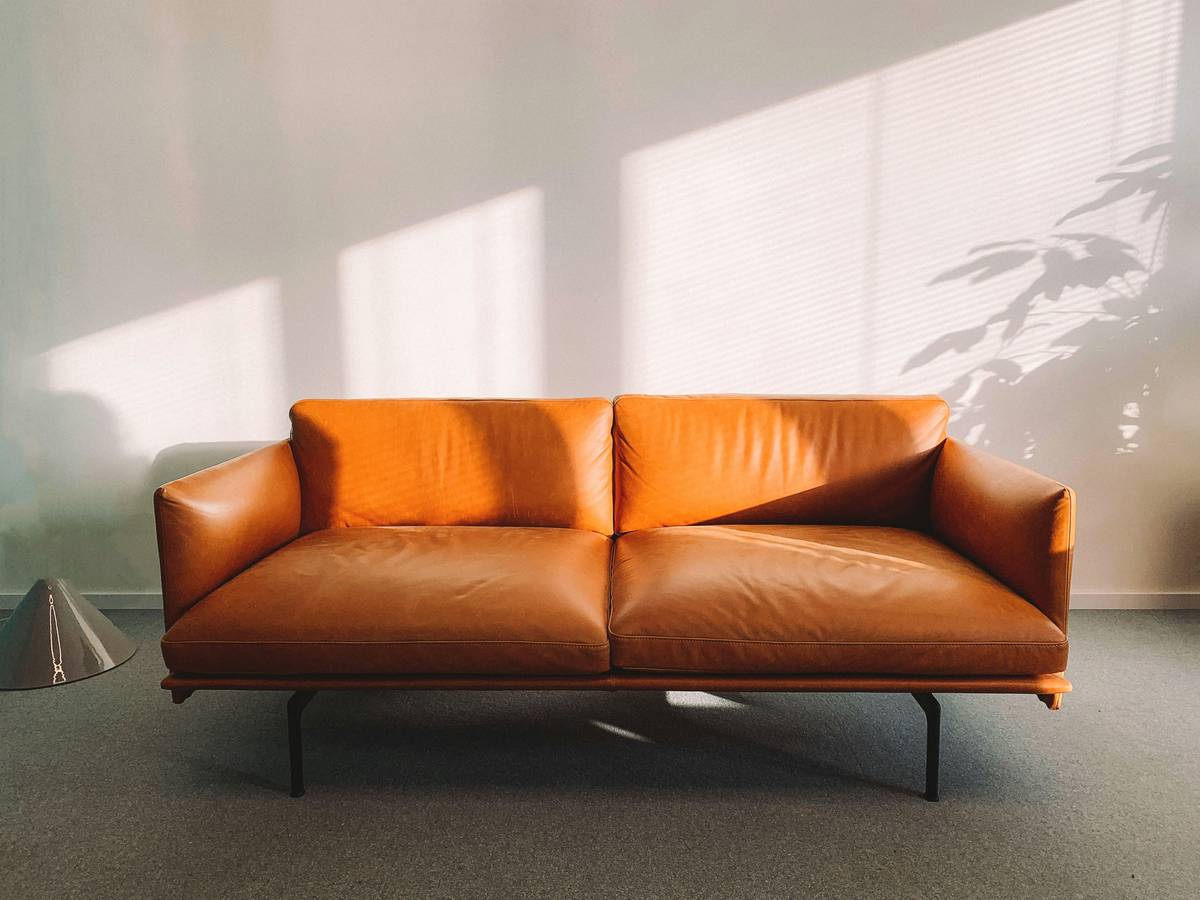
The Industry Secret: Your Pergola Isn’t Just a Shade Structure—It’s a Micro-Zone
Top-tier landscape architects don’t design pergola seating—they design “transition zones.” Think of your pergola as the buffer between indoors and garden. That means furniture should lean toward indoor comfort (think deep seats, armrests wide enough for drinks) but with outdoor resilience. And never ignore drainage. Slope your decking 1/8 inch per foot away from the house—even under a pergola. One rainy season will show you why.
Here’s the reality: the best pergola outdoor furniture disappears. Not literally—but because it feels so natural, so “just right,” guests forget they’re outside. That’s the goal.
Frequently Asked Questions
Can I leave pergola outdoor furniture out all year?
Only if it’s made of marine-grade aluminum or properly sealed hardwood. Even then, store cushions. Humidity under pergolas traps moisture—leading to hidden mold.
What’s the ideal seat depth for pergola loungers?
Aim for 22–26 inches. Deeper encourages lounging; shallower suits dining. Match it to your pergola’s beam spacing—nothing worse than arms hitting posts.
Do pergolas protect furniture from UV damage?
Partially. Open-lattice roofs block ~40% of UV rays. Fabrics and finishes still degrade faster than indoors. Choose UV-stable materials—don’t rely on shade alone.